A Delivery App That Hit 500k Downloads
A cross-platform delivery app with offline support and live tracking that scaled to half a million users.
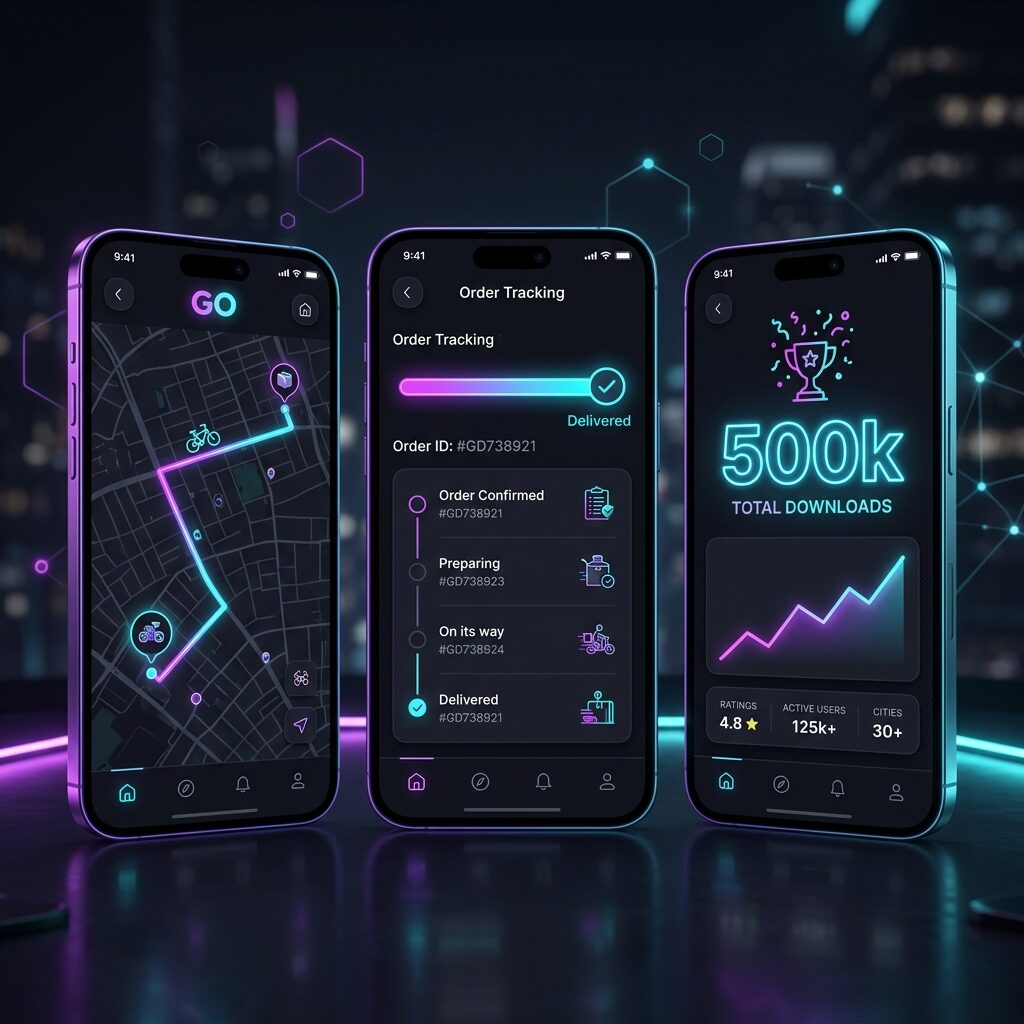
QuickCart was a venture-backed grocery and convenience delivery startup racing to launch in a market where two well-funded incumbents already had apps. They had a tight runway, a launch window pegged to a regional marketing push, and the budget for one mobile team — not two. Building separate native iOS and Android apps would have either doubled the cost or stretched the timeline past the window their go-to-market plan depended on.
Their customers were also unforgiving in ways that made the technical bar high. Delivery happens in the real world, where shoppers lose signal in basements, parking garages, and elevators, yet they still expect to browse, fill a cart, and check out. A spinner or a lost cart at that moment means a lost order. On the operations side, both customers and couriers needed accurate, real-time order tracking, and the app had to handle payments securely from day one to be credible against the incumbents.
Finally, as a consumer app fighting for retention, QuickCart could not afford a clunky launch. App-store ratings would directly shape paid-acquisition economics, so the first release had to feel polished and fast, not like a rushed MVP.
We built QuickCart as a single Flutter codebase targeting both iOS and Android, which let one focused team ship two genuinely native-feeling apps within the launch window — and made every future feature half as expensive to maintain.
To survive real-world conditions, we engineered the app offline-first. The cart, product catalogue, and session state live in a local store and sync transparently when connectivity returns, so a shopper who walks into a dead zone mid-checkout never loses their basket. Reads are served instantly from the local cache, with background reconciliation against the server.
The features that defined the experience:
- Live order tracking backed by Firebase realtime updates, showing customers and couriers an accurate map and ETA from order placement to doorstep.
- Integrated payments via Stripe, with saved cards, Apple Pay, and Google Pay, all handled through a PCI-compliant flow so QuickCart never touches raw card data.
- A Node.js backend orchestrating catalogue, orders, courier assignment, and push notifications, designed to scale horizontally as volume grew.
- Push notifications and product analytics wired in from the first release so the growth team could measure funnels and re-engage users immediately.
We shipped to both the App Store and Google Play in 11 weeks, hitting the marketing window. Because the architecture was built to scale from the start, the app comfortably absorbed the surge to half a million users in its first year without a re-platform.
Technology used
Related case studies
 Fintech
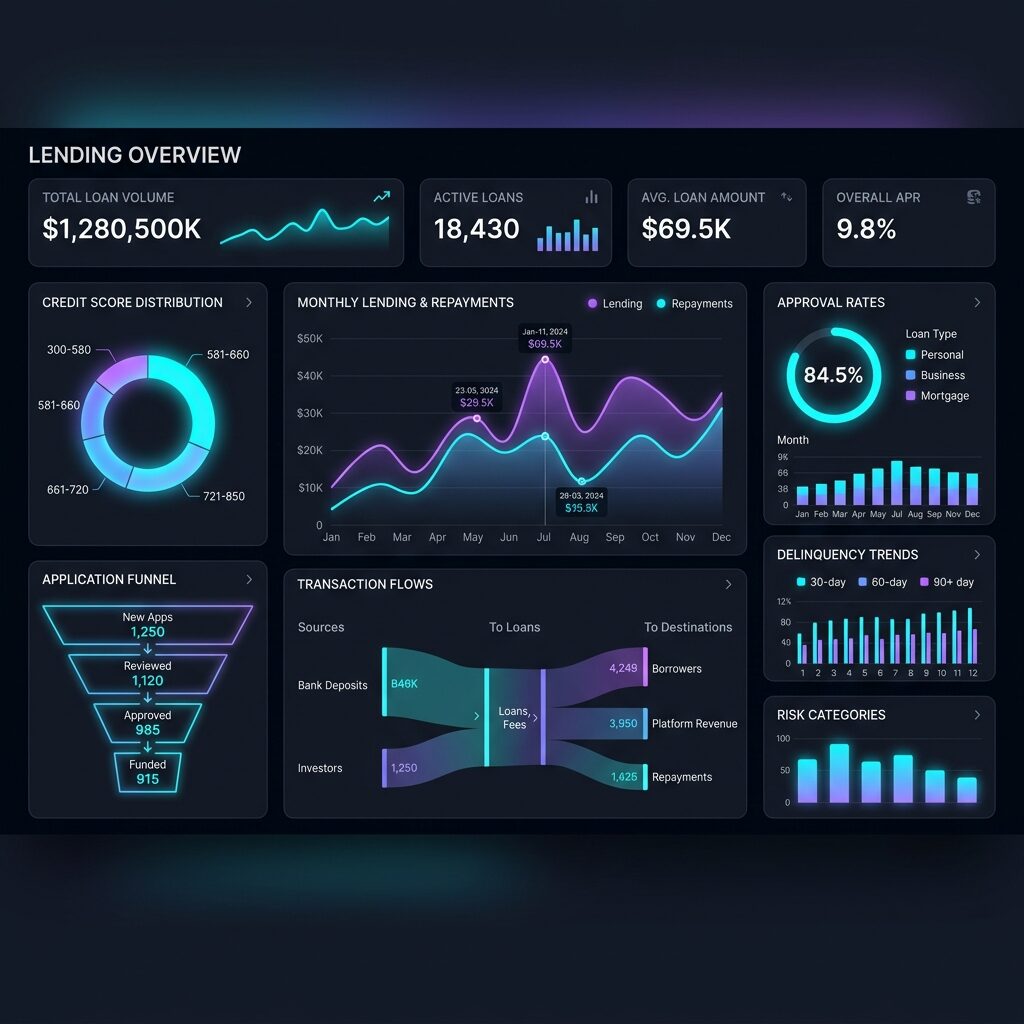
Scaling a Fintech Lending Platform
We rebuilt a monolithic loan platform into a modular system that cut approval times from days to minutes.
 SaaS
SaaS
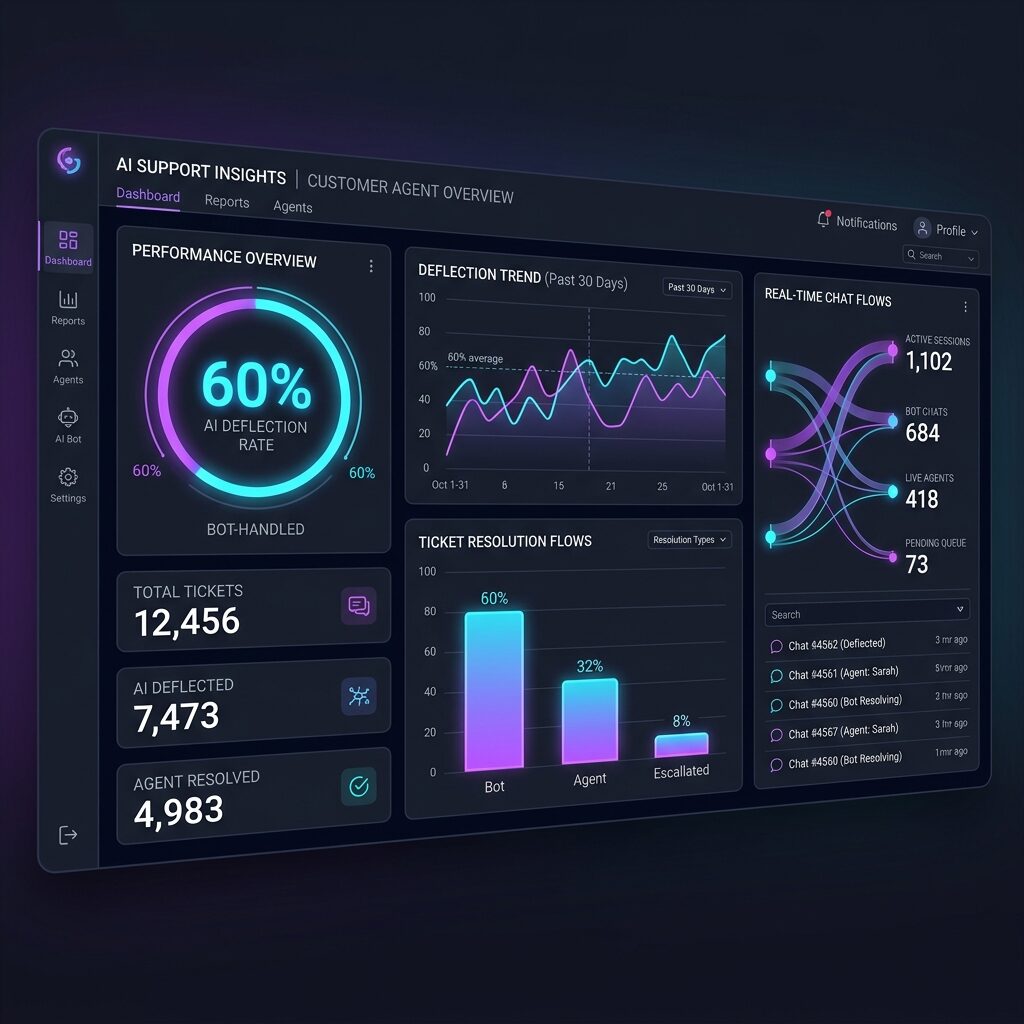
AI Support Agent That Deflects 60% of Tickets
A support copilot trained on product docs that resolves most queries instantly and hands off the rest.
From 200 to 40,000 Organic Visitors a Month
A technical SEO overhaul and content engine that grew organic traffic 200x in a year.
Want results like these?
Tell us about your goals and we'll map out how we'd get you there — no commitment required.